What is Kundalini Yoga?
Kundalini yoga is a vigorous spiritual practice aimed at awakening kundalini—a dormant, serpentine energy believed to rest coiled at the base of the spine. The term derives from the Sanskrit kuṇḍalinī, meaning “coiled snake,” representing divine feminine energy (Shakti) located at the Muladhara (root chakra). Practitioners employ specific sequences of physical postures (asanas), controlled breathing (pranayama), hand gestures (mudras), body locks (bandhas), and sacred sound (mantra) to channel this latent force upward through the body’s energy centers (chakras), ideally achieving heightened awareness, spiritual liberation, or direct perception of the divine.
Unlike gentler styles focused primarily on flexibility or relaxation, kundalini yoga is characterized by repetitive, rhythmic movements, rapid breath patterns (such as Breath of Fire), and extended chanting. Sessions often follow a prescribed format called a kriya—a choreographed set designed to produce a particular energetic or psychological effect. The practice draws heavily from Tantric philosophy, which views all reality as imbued with consciousness and teaches that the body itself is a vehicle for transcendence.
Origins & Lineage
The concept of kundalini appears in ancient Indian texts including the Upanishads (800–500 BCE) and Tantras, which describe energy channels (nadis) and centers (chakras) within the human body. The Sanskrit term kundalini, meaning “ring” or “coil,” is explicitly mentioned as a serpent-like Shakti in Tantric literature as early as the 11th century in texts like the Sharadatilaka. Medieval hatha yoga manuals—notably the Hatha Yoga Pradipika (14th century), the Gheranda Samhita, and the Shiva Samhita—detail techniques including pranayama, mudras, and bandhas designed to stimulate kundalini’s ascent.
While these practices circulated among select initiates for centuries, the modern public form known as “Kundalini Yoga” emerged in the West in 1968–1969. Harbhajan Singh Khalsa, known as Yogi Bhajan, arrived from India in September 1968 to teach at Toronto University, later relocating to Los Angeles. In July 1969, he incorporated 3HO (Healthy, Happy, Holy Organization) in California, which disseminated Kundalini Yoga, meditation, and the “science of Humanology”. Yogi Bhajan declared his mission was to “create teachers, not gather disciples,” democratizing techniques traditionally transmitted in strict guru-disciple secrecy.
Scholarly debate surrounds the authenticity of Yogi Bhajan’s lineage claims. Some researchers argue that the modern practice bearing the name “Kundalini Yoga” is largely a 20th-century invention with minimal relation to what classical Sanskrit sources describe as kundalini-yoga. Nonetheless, the system he codified—blending elements of hatha yoga, Sikh devotional practice, and Tantric visualization—became the dominant global template for what seekers now understand as “kundalini yoga.”
How It’s Practiced
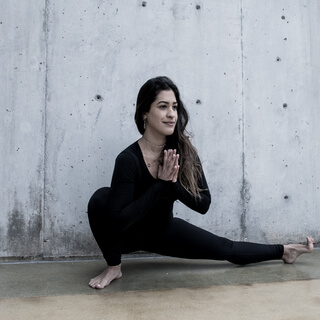
A typical kundalini yoga class opens with a tuning-in mantra (often “Ong Namo Guru Dev Namo,” invoking the inner teacher), followed by warm-up exercises and pranayama. The core portion is a kriya: a fixed sequence of postures, breath, and sometimes sound, held or repeated for specified durations—often strenuously. One might perform hundreds of rapid arm raises paired with Breath of Fire, or hold a squat while chanting a mantra for several minutes. Kriyas target specific outcomes: stimulating the nervous system, balancing hormones, clearing subconscious imprints, or opening particular chakras.
After the kriya comes deep relaxation (savasana), then seated meditation, frequently incorporating mantra repetition, visualization, or silent awareness. Sessions conclude with a closing song or blessing. White clothing and head coverings are customary in many 3HO-descended communities, though not universal. Classes may include live accompaniment on gong, harmonium, or tabla, and the atmosphere tends toward communal intensity rather than the quiet introspection of some meditation traditions.
Kundalini Yoga Today
Kundalini yoga is now taught in studios, retreat centers, festivals, and online platforms across six continents. Certification programs, most prominently those run by the Kundalini Research Institute (KRI) and affiliated teacher-training schools, have produced thousands of instructors worldwide. Annual gatherings—such as Summer Solstice Sadhana in New Mexico or European Yoga Festivals—draw practitioners for multi-day immersions in group practice, kirtan (devotional chanting), and workshops on yogic lifestyle.
Seekers encounter kundalini yoga through drop-in classes at local studios, streaming video libraries, books like Kundalini Yoga: The Flow of Eternal Power by Shakti Parwha Kaur, and recordings of Yogi Bhajan’s lectures. The practice appeals to those seeking energetic intensity, rapid transformation, or integration of spiritual discipline into householder life (career, family, daily responsibilities). Its accessibility—no prior flexibility or meditation experience required—and structured format make it a gateway for beginners asking “what is kundalini yoga” or “kundalini yoga for beginners.”
Following reports of misconduct by Yogi Bhajan that surfaced in 2020, portions of the kundalini yoga community have undertaken reassessment of authority structures, lineage narratives, and pedagogical integrity. Some teachers have distanced themselves from 3HO affiliation, while others continue to honor Yogi Bhajan’s teachings within reformed ethical frameworks.
Common Misconceptions
Kundalini yoga is not synonymous with hatha yoga or vinyasa flow; it prioritizes energetic activation over postural refinement. It is also not a purely physical workout—mantra, meditation, and devotional elements are integral, not optional add-ons. Despite its name, the practice does not guarantee dramatic kundalini awakenings (spontaneous energetic upheavals) for most practitioners; such experiences are rare and require sustained, advanced practice.
The modern system popularized by Yogi Bhajan, while rooted in Indian spiritual concepts, reflects significant adaptation and innovation. It is not a direct, unaltered transmission from ancient texts like the Hatha Yoga Pradipika or Yoga Sutras. Prospective students should understand that “kundalini yoga” refers to a specific 20th-century synthesis, not a monolithic tradition unchanged across millennia.
Finally, kundalini yoga is a practice, not a religion. It draws on Hindu Tantric cosmology and incorporates Sikh devotional language (Gurmukhi mantras from the Siri Guru Granth Sahib), but participation does not require adherence to Sikhism, Hinduism, or any faith.
How to Begin
Beginners exploring kundalini yoga should seek an in-person class with a certified instructor who can offer posture correction, pacing guidance, and context for the practice’s energetic effects. Many studios offer introductory workshops or beginner series. Online, platforms like 3HO’s streaming library or apps such as Gaia provide instructional videos.
Recommended entry-point readings include The Aquarian Teacher (KRI’s teacher-training manual, comprehensive but dense) and Essential Kundalini Yoga by Karena Virginia and Dharm Khalsa (accessible, well-illustrated). For those interested in classical roots, Sir John Woodroffe’s The Serpent Power (1919) remains the seminal English translation of Tantric kundalini texts, though scholarly and challenging.
Expect classes to be physically demanding and emotionally stirring. Start with shorter kriyas (20–30 minutes), hydrate well, and inform the teacher of any injuries or health conditions. Consistency matters more than intensity; even 11 minutes of daily practice can yield noticeable shifts in mental clarity and stress resilience. As with any somatic discipline, listen to your body, proceed incrementally, and seek guidance when questions or strong reactions arise.